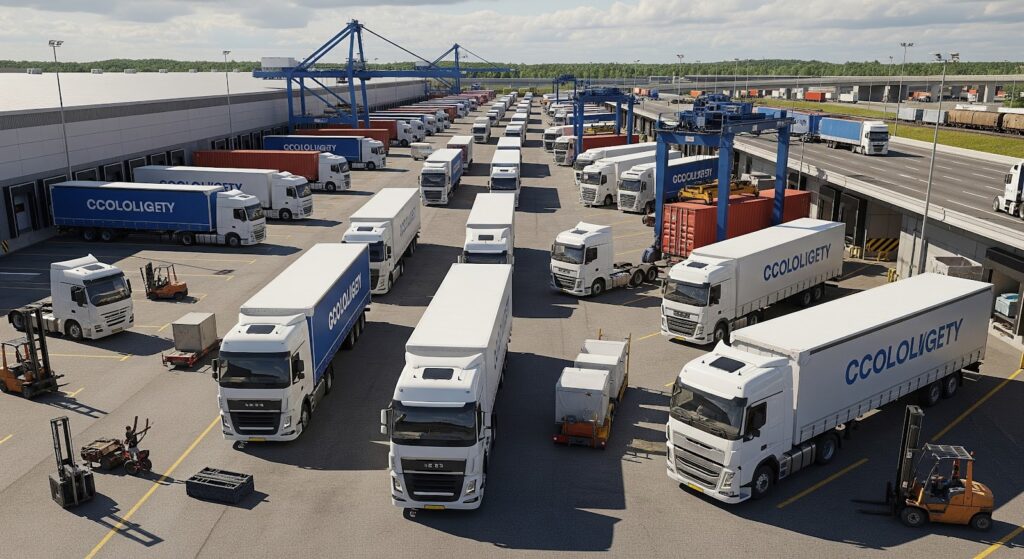
Transportation is often the single largest cost center within supply chain logistics, which makes it a prime target for efficiency gains. By taking a smarter approach to fleet and freight movement, businesses can uncover significant savings while also improving service reliability.
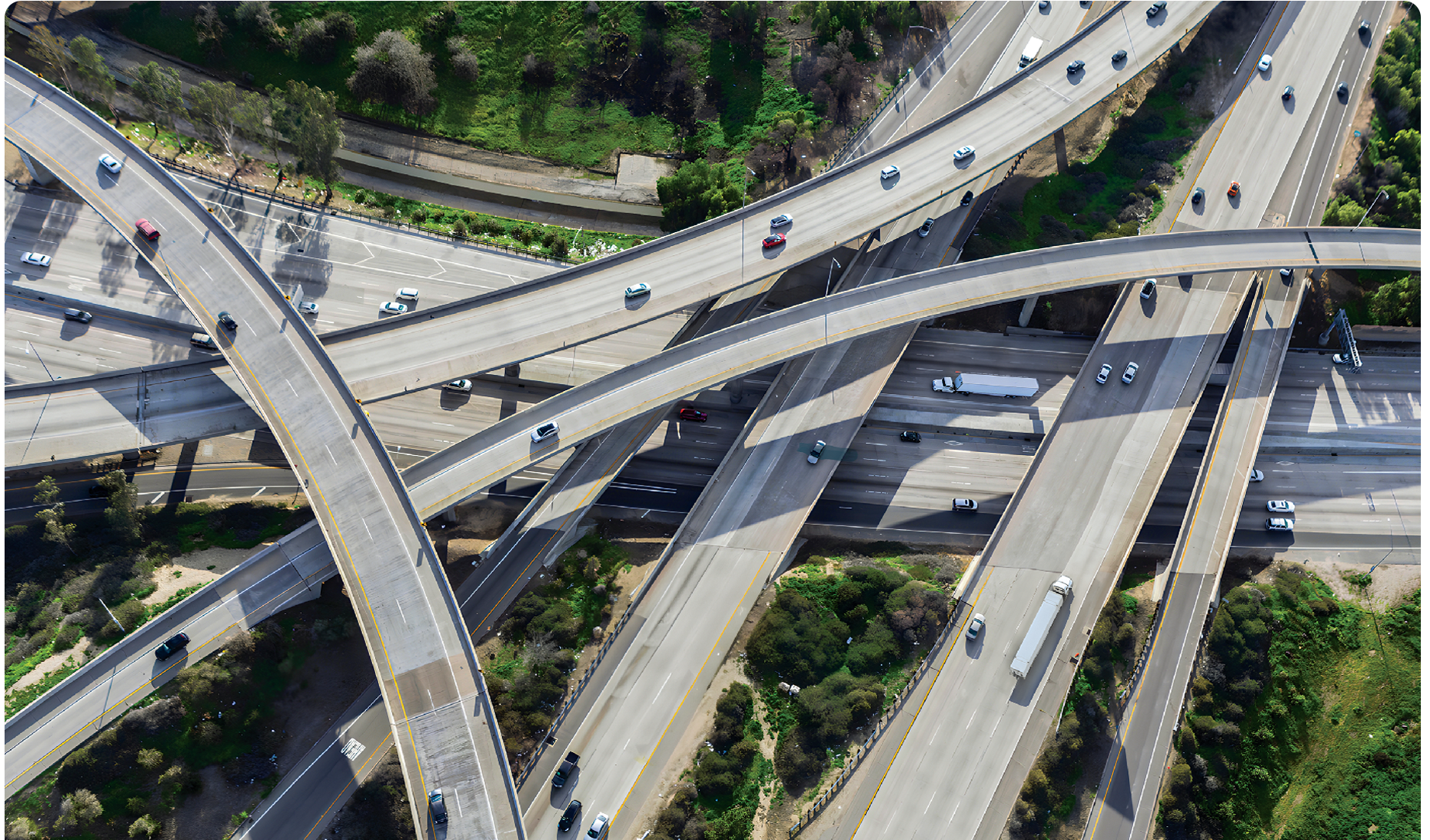
One of the most effective strategies is route optimization. Leveraging technology that accounts for real-time traffic conditions, weather patterns, and construction zones allows fleets to minimize delays and identify the most efficient paths for delivery. This not only shortens travel times but also reduces fuel consumption, vehicle wear and tear, and driver frustration.
Another critical practice is load planning and consolidation. By ensuring that trucks run with fuller loads and fewer empty miles, companies can maximize vehicle utilization. Coordinating shipments across regions or customers to create multi-stop routes can dramatically cut transportation costs while lowering the carbon footprint. For long-haul operations, backhaul planning, securing freight for return trips, further boosts efficiency.
The benefits of optimized transportation management are tangible:
- Lower operating costs through fuel savings, reduced maintenance needs, and fewer wasted miles.
- Faster delivery times that strengthen customer satisfaction and competitiveness.
- Greater sustainability by reducing emissions and improving fleet efficiency.
When transportation is managed strategically, it becomes more than just a cost, it becomes a competitive advantage within supply chain logistics.
Strengthen Supplier & Partner Collaboration
A supply chain is only as strong as its weakest link, and in most cases, those links are the connections between suppliers, carriers, and logistics partners. Miscommunication, missed updates, or lack of visibility can quickly ripple into delays, missed deliveries, and added costs. That’s why strengthening collaboration is a critical step in streamlining supply chain logistics.
The first step is to centralize communications. Instead of relying on scattered emails, phone calls, or spreadsheets, many organizations are moving toward unified platforms that bring suppliers, carriers, and logistics managers together in one place. Centralized communication ensures that everyone operates from the same information and can respond quickly to unexpected changes in schedules, shipments, or demand.
Equally important is real-time visibility. Digital platforms that provide shipment tracking, predictive arrival times, and automated alerts give both fleets and shippers greater control. With visibility across the entire supply chain, teams can proactively identify bottlenecks, whether it’s a delayed inbound shipment or congestion at a port, and take corrective action before problems escalate.
Beyond the tools, collaborative planning itself is a game-changer. When suppliers and carriers are engaged early in forecasting, inventory planning, and scheduling, the supply chain operates more smoothly. For example, aligning on demand forecasts can help suppliers prepare adequate stock, while joint planning with carriers ensures available capacity and efficient routes. This type of forward-looking collaboration reduces surprises and minimizes costly disruptions.
The result is a supply chain that’s not just more efficient but also more resilient. Strong partnerships built on transparency and shared goals enable businesses to adapt quickly, reduce friction, and deliver on customer expectations with confidence.
Leverage Data and Predictive Analytics
Companies that rely on intuition or outdated historical reports are often left reacting to disruptions rather than preventing them. By tapping into advanced analytics and predictive modeling, businesses can shift from a reactive approach to a proactive, forward-looking strategy.
One of the most powerful applications of analytics is demand forecasting. By analyzing historical sales data, seasonal patterns, and external factors such as economic trends or even weather events, companies can predict future demand with far greater accuracy. This enables more precise inventory alignment, ensuring the right products are in the right place at the right time.
Predictive analytics also play a key role in minimizing stockouts and overstocks. Stockouts not only result in lost sales but can damage customer relationships when products aren’t available. On the flip side, excess inventory ties up capital and increases storage costs. Predictive models help strike the balance by providing insights into optimal inventory levels across distribution centers, warehouses, and retail locations.
Beyond inventory, predictive tools can flag potential risks and disruptions before they impact operations. For example, by analyzing port congestion data, carrier reliability scores, or fuel price trends, businesses can adjust routing, sourcing, or pricing strategies in advance.
The benefits are clear:
- Reduced uncertainty through better forecasting and real-time insights.
- Lower costs by avoiding excess inventory, minimizing waste, and improving asset utilization.
- Stronger customer satisfaction thanks to fewer stockouts and more reliable delivery timelines.
Ultimately, predictive analytics transforms supply chain logistics from a guessing game into a strategic, data-driven discipline, one that equips businesses to stay agile in the face of constant change.
Improve Warehouse & Inventory Management
Warehousing is at the heart of supply chain logistics, it’s where products are stored, organized, and prepared for distribution. Yet, warehouses can quickly become bottlenecks if processes are outdated or manual. To streamline operations and reduce costs, companies are increasingly turning to smarter, technology-driven approaches.
One major advancement is the adoption of automation and smart warehousing solutions. Robotics are now being used for tasks like sorting, stacking, and transporting goods across facilities, reducing the need for repetitive manual labor and improving speed and accuracy. RFID tags and IoT sensors provide real-time visibility into product locations and inventory counts, eliminating time-consuming manual checks while reducing the risk of errors. This level of automation not only enhances efficiency but also helps warehouses scale up during peak demand periods without sacrificing productivity.
Equally important is streamlining pick-and-pack operations. By redesigning warehouse layouts for optimized flow, using automated picking systems, or employing voice- and vision-guided technologies, companies can accelerate order fulfillment. This reduces errors, shortens cycle times, and improves the overall customer experience. For high-volume operations, even small improvements in picking efficiency can translate into major cost and time savings.
At a strategic level, warehouses must also maintain optimized inventory turnover. Holding too much stock ties up capital and increases storage costs, while too little risks stockouts and missed sales opportunities. By combining real-time data with predictive demand forecasting, businesses can strike the right balance, keeping inventory lean but responsive to customer demand.
The outcome is a warehouse that operates as a value driver rather than a cost center. When warehouse and inventory management are optimized, supply chain logistics become more agile, responsive, and cost-effective, paving the way for stronger competitiveness and customer satisfaction.
Enhance Driver & Fleet Efficiency
Inefficiencies in fleet operations can cause ripple effects across the entire supply chain, leading to higher costs, missed delivery windows, and reduced customer satisfaction. By focusing on driver support and fleet optimization, companies can significantly improve overall logistics performance.
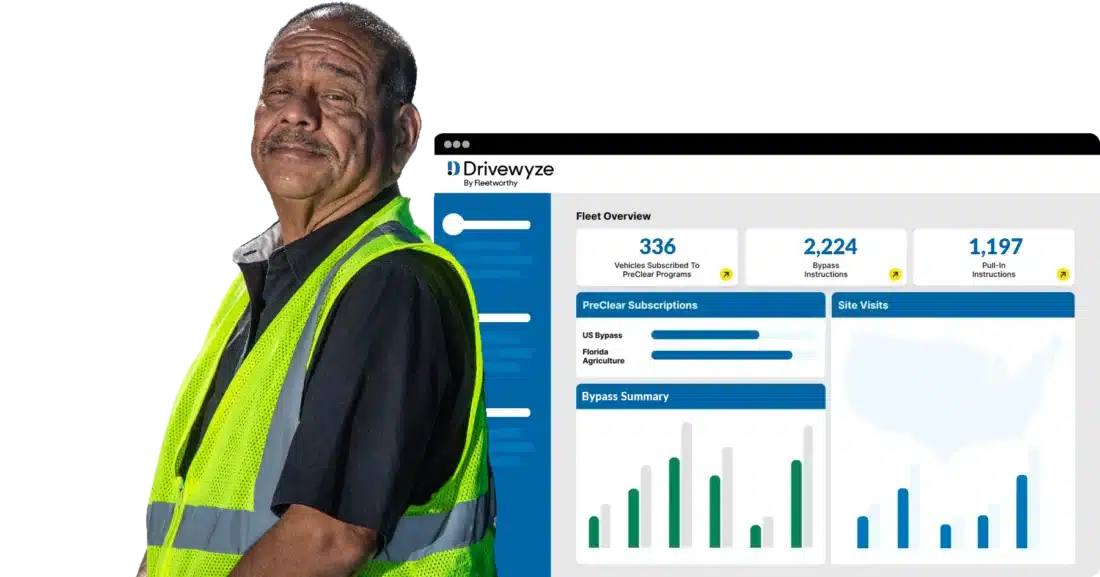
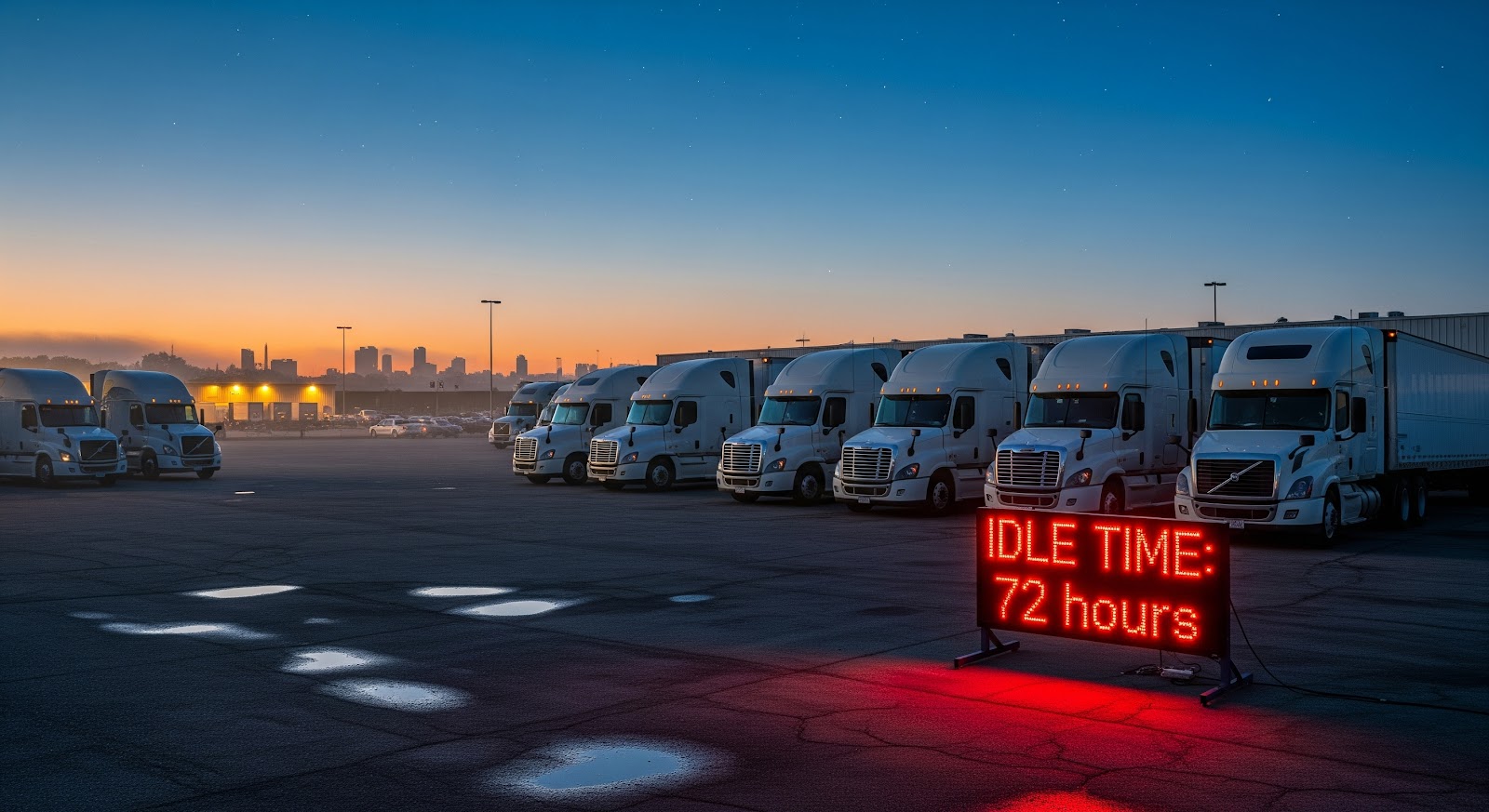
A key starting point is real-time visibility into fleet performance. Advanced telematics and fleet management platforms provide insights into vehicle location, fuel usage, idle times, and driver behavior. With this data, logistics managers can make informed decisions, rerouting trucks around congestion, adjusting schedules on the fly, or identifying underutilized assets. Visibility also helps in tracking KPIs such as on-time delivery rates and fleet utilization, ensuring operations stay aligned with business goals.
Equally important is the use of in-cab tools that support drivers directly. Modern technology can deliver real-time alerts about upcoming hazards, weigh station statuses, or speed compliance reminders, all designed to reduce risk and keep drivers safe and efficient. Digital logbooks and compliance solutions also take the burden off drivers by simplifying hours-of-service tracking and reducing paperwork. This not only improves accuracy but also allows drivers to focus on what matters most: safe, timely deliveries.
The human element should not be overlooked. Drivers who feel supported and equipped with the right tools are more likely to perform at their best and remain with the company long term. Fleet efficiency isn’t just about vehicles, it’s about empowering drivers to succeed.
Ultimately, fleet efficiency plays a critical role in supply chain logistics success. By combining real-time visibility with driver-focused technology, businesses can cut operating costs, reduce downtime, improve compliance, and deliver a smoother, more reliable customer experience.
Ready to unlock greater efficiency in your supply chain logistics? Discover how Drivewyze can help you streamline operations, boost performance, and achieve lasting competitive advantage.


Ready to Get Started?
Learn how North America’s leading carriers use Drivewyze to save money and improve safety.