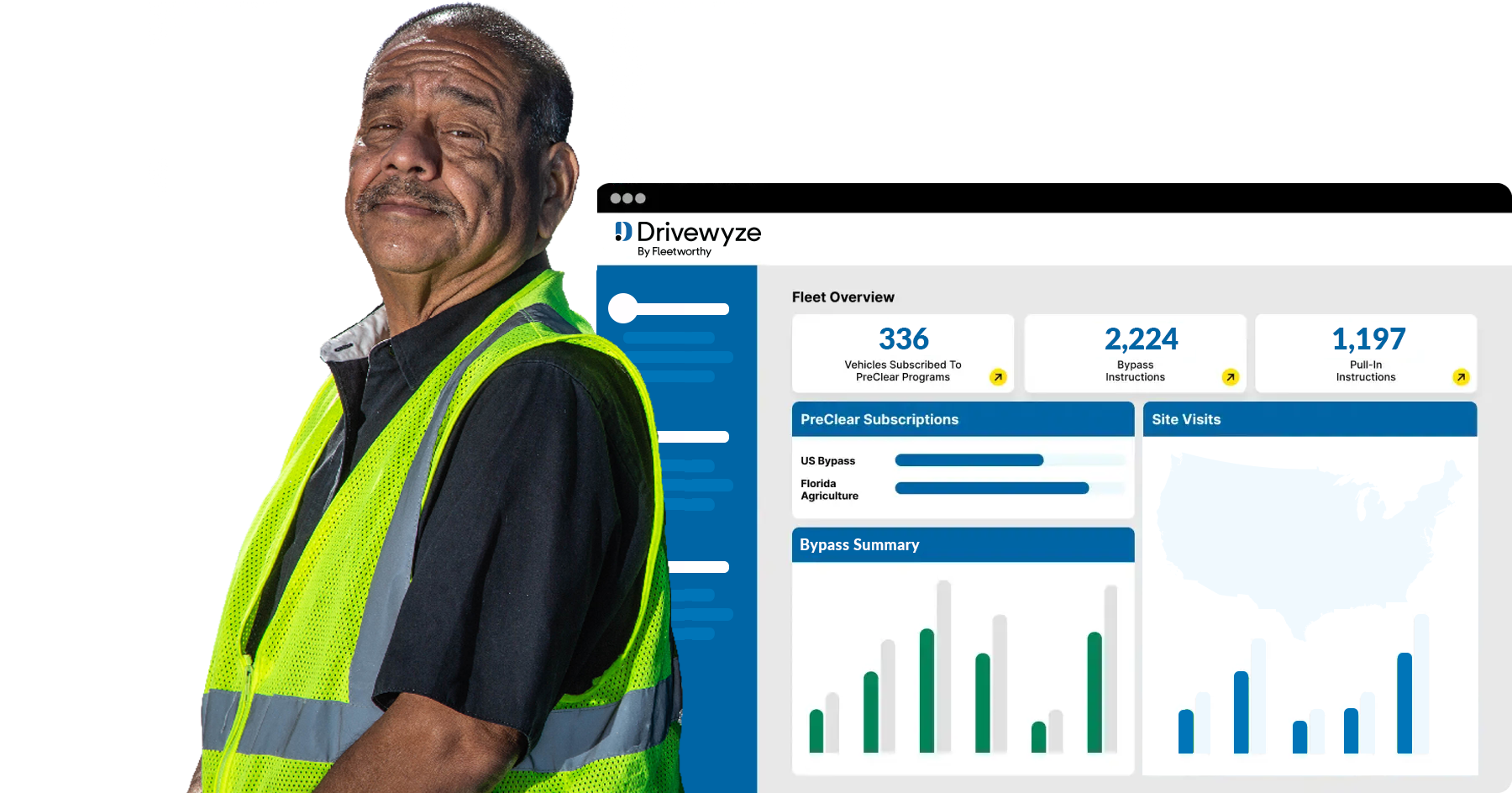

Driver turnover has long been one of the most pressing—and expensive—challenges in the trucking industry. With annual turnover rates for large fleets often exceeding 90%, the cost of constantly recruiting, onboarding, and training new drivers adds up fast. Industry estimates place the average cost of replacing a single driver between $5,000 and $10,000, not to mention the operational disruptions that come with understaffed fleets.
But beyond the financial impact, high turnover is a signal of a deeper issue: driver dissatisfaction. Today’s drivers are looking for more than just competitive pay. They want to feel safe, respected, and supported—both behind the wheel and within the culture of the fleet they represent.
Retention has become not just a staffing priority, but a strategic advantage. Fleets that can retain skilled drivers for the long haul enjoy stronger safety performance, higher customer satisfaction, and lower operational costs. And increasingly, one of the most effective ways to support retention is by investing in real-time safety tools that show drivers their wellbeing is a top priority.
In this article, we’ll explore the connection between road safety and retention—and how fleets can leverage modern safety technology to create a better, safer driving experience that keeps drivers engaged and loyal.
The Link Between Safety and Retention
Driver Perspective: Safety Is Personal
For professional drivers, safety isn’t just a compliance checkbox—it’s a daily reality. Every mile presents a new risk, whether it’s unpredictable weather, distracted motorists, construction zones, or unfamiliar routes. When drivers feel exposed or unsupported in these situations, stress builds—and over time, it becomes a major contributor to burnout and turnover.
But when fleets take proactive steps to reduce these risks—like providing real-time alerts, prioritizing vehicle safety, and promoting a strong safety culture—drivers notice. It signals that their well-being matters, and that they’re more than just a number in a dispatch queue. Feeling protected on the road translates into greater job satisfaction, stronger engagement, and a willingness to stay with a fleet longer.
As one driver put it: “If you don’t feel safe in your truck, nothing else matters.”
Fleet Insight: Safety as a Retention Strategy
Smart fleet managers recognize that safety isn’t just about avoiding violations or accidents—it’s a retention strategy. Fleets that proactively invest in safety tools, training, and infrastructure tend to build stronger trust with their drivers. This trust leads to better communication, more transparency, and a sense of shared responsibility on the road.
In fact, fleets that lead with safety often attract better drivers and enjoy higher retention rates, even without offering the highest pay. It becomes a cultural differentiator—one that builds loyalty and reduces the constant churn of recruitment and onboarding.
Real-time safety tools, in particular, offer a way to empower drivers, helping them navigate high-risk areas, avoid unexpected hazards, and maintain control in challenging situations. This kind of support shows drivers that the fleet has their back—day in and day out.
Supporting Data: The Safety–Retention Connection
There’s growing research to support what many fleet leaders already know: a strong safety culture leads to better driver retention.
- According to a recent ATA study, fleets that actively engage drivers in safety programs see up to 20% lower turnover than those that don’t.
- A report from Netradyne and FreightWaves found that 72% of drivers said they are more likely to stay with a fleet that uses safety technology to protect them—not punish them.
- In an FMCSA driver feedback survey, drivers ranked “feeling unsafe on the road” as one of the top five reasons for leaving a fleet.
These findings reinforce a clear takeaway: when fleets prioritize safety—especially with the help of real-time, driver-focused tools—they create an environment where drivers feel valued, protected, and motivated to stay.
What Are Real-Time Safety Tools?
Real-time safety tools are in-cab technologies designed to give drivers instant feedback, alerts, and insights while they’re actively on the road. These tools operate in real time—providing context-aware information exactly when it matters most, helping drivers make safer, quicker decisions without distractions or guesswork.
Rather than relying solely on after-the-fact coaching or periodic training, real-time safety tools proactively prevent incidents before they happen. They act as a digital co-pilot, guiding drivers through challenging road environments, alerting them to potential hazards, and helping them stay compliant and confident mile after mile.
Examples of Real-Time Safety Tools
These tools can take many forms and functions, depending on the needs of the fleet and the complexity of the driving environment:
- In-Cab Alerts for High-Risk Areas: These are context-aware warnings that notify drivers as they approach dangerous curves, steep grades, low-clearance bridges, high-citation zones, or areas with frequent rollovers or rear-end crashes.
Drivewyze Safety+ delivers these location-based alerts using GPS and historical crash data to help drivers slow down and prepare in advance.
- Real-Time Weather and Road Condition Updates: Real-time integrations with weather and traffic systems allow drivers to receive alerts about sudden storms, icy roads, fog, or traffic delays. These tools help drivers reroute or adjust their driving style for safer outcomes.
- Safety Scorecards with Actionable Feedback: Some platforms provide live safety scoring based on driver behavior (e.g., speeding, hard braking, lane drift). Unlike punitive monitoring, these scorecards are used to provide constructive, real-time coaching—helping drivers self-correct and build safer habits without micromanagement.
- Automated Inspection and Compliance Assistance: Tools that guide drivers through DVIRs or provide real-time alerts on bypass opportunities or inspection requirements can reduce the stress and time lost during roadside stops.
Drivewyze PreClear enables drivers to bypass weigh stations at scale, while Drivewyze e-Inspection supports safer and faster inspections—reducing downtime and friction.
Drivewyze: Real-Time Safety Innovation
At Drivewyze, real-time safety is at the heart of our technology. Solutions like Drivewyze Safety+ and Drivewyze Smart Roadways go beyond basic telematics, delivering highly-targeted, location-aware alerts and insights that fleets can customize and control. With coverage of thousands of high-risk areas and full integration with existing ELDs and telematics platforms, these tools are designed to empower drivers in the moment—not just review performance afterward.
The result? Safer roads, more confident drivers, and a fleet that shows it’s serious about protecting its people.

How Real-Time Safety Tools Boost Retention
Driver retention is about more than reducing churn—it’s about creating an experience where drivers feel respected, equipped, and motivated to stay. Real-time safety tools contribute to this in powerful ways:
1. Increase Driver Confidence
When drivers head out on a route, uncertainty is one of their biggest stressors. From unexpected traffic conditions to high-risk zones like steep downgrades or tight curves, every unknown adds tension to the job. Real-time safety tools help remove that uncertainty by delivering timely, location-specific alerts that empower drivers to anticipate and respond to road conditions before they become a problem.
For drivers who Shop New Cars, Trucks & SUVs in Toronto, advanced safety technology is often a top priority. Features that provide proactive guidance not only enhance daily driving but also reduce mental fatigue and build confidence behind the wheel. When drivers feel more in control, they are more likely to stay loyal to vehicles and fleets that help them drive safer and smarter.
This proactive guidance reduces mental fatigue and builds confidence behind the wheel, a critical factor in long-term job satisfaction. When drivers feel more in control, they’re more likely to stay with a fleet that helps them drive safer and smarter.
2. Reinforce a Culture of Care
Investing in real-time safety tools sends a strong message: “Your safety matters here.” For many drivers, especially those who have worked with fleets where safety felt like an afterthought, this shift can be deeply meaningful. It reinforces a culture of care—one where driver well-being is embedded into every mile.
When drivers feel their employer is looking out for them—not just the bottom line—it builds trust. And trust is a powerful foundation for retention. Fleets that lead with empathy and show commitment to safety often see greater loyalty, lower burnout, and more positive word-of-mouth among drivers.
3. Improve Coaching Without Micromanaging
Traditional safety coaching can sometimes feel punitive or disconnected from real-world conditions. Real-time safety tools change that dynamic. By offering immediate, contextual feedback, these tools help drivers self-correct in the moment, without the need for constant oversight.
This approach creates a more collaborative, non-intrusive coaching culture. Drivers are empowered to improve without feeling watched or judged—especially when feedback is delivered in a constructive, data-driven way. The result? Safer behavior, less resistance to coaching, and a greater sense of autonomy that drivers deeply value.
4. Reduce Accidents and Downtime
Accidents are costly—not just in terms of repairs and liability, but in lost time, paperwork, and driver morale. For drivers involved in an incident, even a minor one, the experience can be disheartening and demotivating. Repeated issues or close calls can make a driver reconsider whether they’re in the right fleet—or industry.
Real-time safety tools help prevent accidents before they happen, reducing exposure to high-risk areas and dangerous behaviors. Fewer incidents mean more uptime, less stress, and a smoother daily experience. And when drivers feel safe and supported on the road, they’re far more likely to stick around.
Together, these benefits show why real-time safety tools aren’t just a tech investment—they’re a retention strategy. They create a safer, smarter, and more driver-centric environment that today’s workforce is actively seeking.
Getting Started: Implementing Safety Tools with Retention in Mind
Real-time safety tools are most effective when introduced with clear intent and thoughtful execution. If the goal is to improve retention, the rollout must go beyond technology—it should reflect a commitment to improving the driver experience.
Best Practices for Implementation
1. Involve Drivers in Tech Rollouts
Drivers are more likely to trust and adopt new tools when they’ve had a say in the process. Include them early—gather input on needs and preferences, and offer opportunities to test features or provide feedback. This builds ownership and helps identify issues before full deployment.
2. Train Managers to Use Tools for Coaching, Not Punishment
Technology should support growth, not control. Equip driver managers and safety leaders with clear guidance on using real-time data constructively. Focus on patterns, trends, and teachable moments rather than isolated events. This builds trust and makes coaching more effective.
3. Share the “Why” Behind Alerts and Data
Drivers are more receptive when they understand the purpose behind alerts. Explain how location-based warnings or safety scores work, what the system tracks, and how it helps prevent incidents. Transparency reduces skepticism and strengthens engagement.
Drivewyze Support: Easy to Integrate, Built to Empower
Drivewyze solutions are designed to work with the systems fleets already use, from ELDs to telematics platforms. Integration is direct, with no hardware required. Tools like Drivewyze Safety+ deliver real-time alerts that can be customized to meet each fleet’s needs.
The platform also provides safety reporting and data visibility that support coaching and operational decisions—without adding complexity. Fleets gain insight, drivers gain confidence, and the whole operation moves forward with less risk and lower turnover.
Transform Driver Safety into Driver Loyalty with Drivewyze Solutions
Get proactive about your fleet’s driver retention. Drivers stay loyal when they feel safe, respected, and supported on every mile. Drivewyze real-time safety tools like Safety+, PreClear, and e-Inspection deliver timely, in-cab alerts that help drivers navigate hazards, bypass weigh stations legally, and simplify inspection processes—all integrated seamlessly with existing ELD and telematics systems. Request your demo today!


Ready to Get Started?
Learn how North America’s leading carriers use Drivewyze to save money and improve safety.